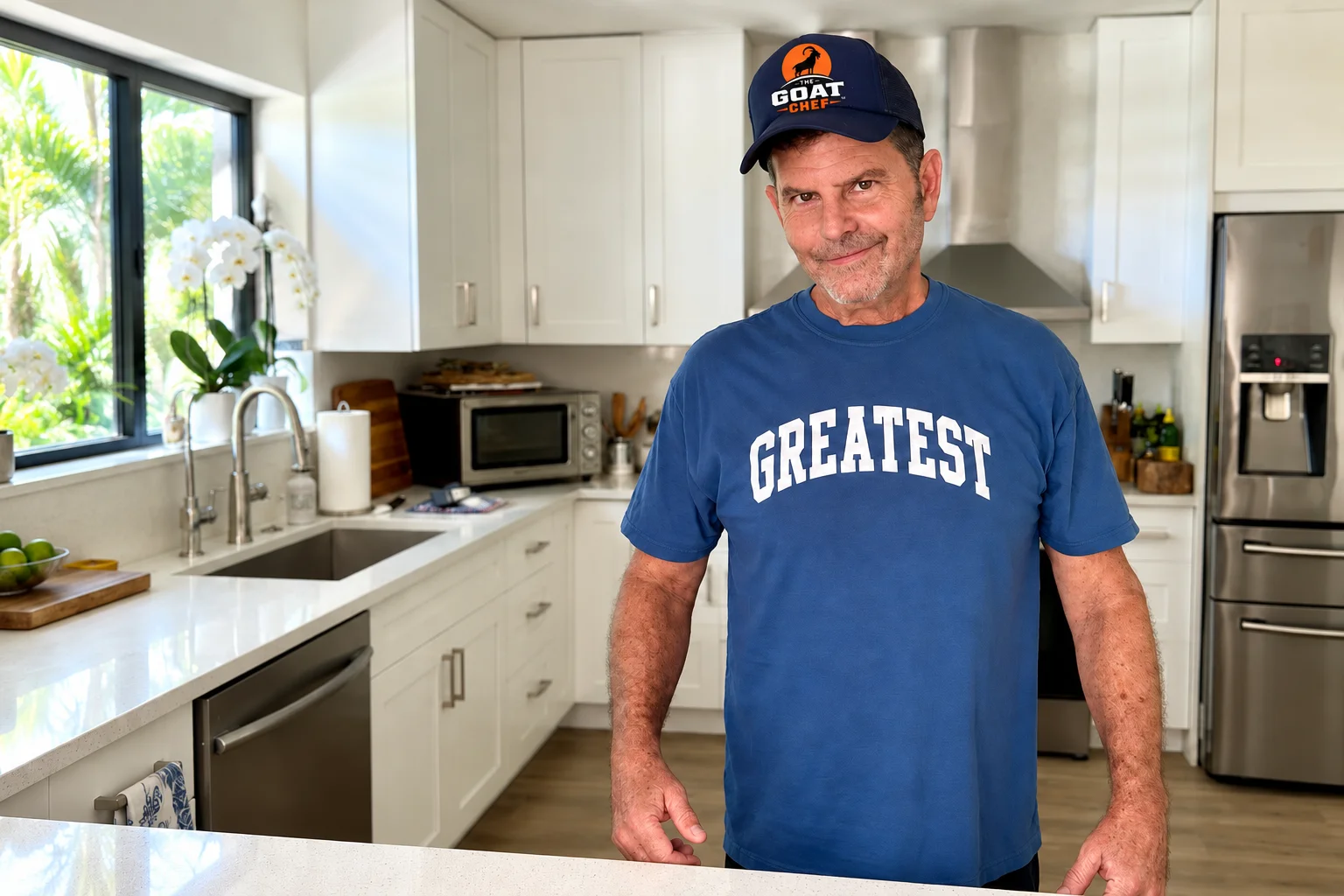
Chef Bernie Matz
For four decades, Chef Bernie Matz has been part of the evolution of South Florida dining—from Wet Paint Café on Lincoln Road in 1986 to Tommy-to-Go, Tommy Grill, Bernie’s Kitchen, Books & Books, Bodega and Café Bernie.
Along the way came restaurants that worked, a few that didn’t, a cookbook ahead of its time, and thousands of hours behind the stove.
This is the story of 40 years in the kitchen—and what comes next.
It started on Lincoln Road
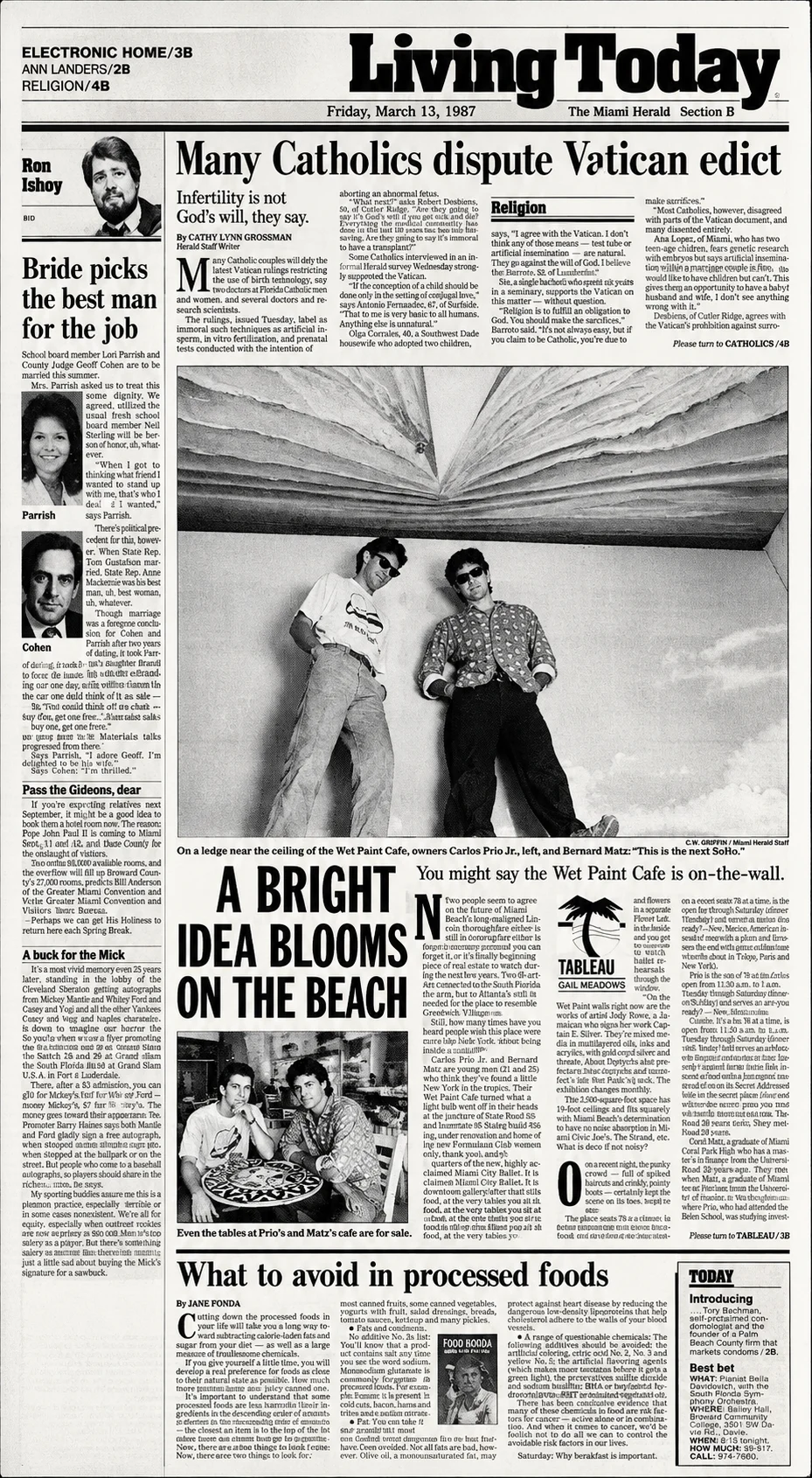
In 1986, at 24, Chef Bernie Matz opened Wet Paint Café with Carlos Prio Jr. on Lincoln Road—years before South Beach became the destination it is today.
Part restaurant, part art space, Wet Paint became part of Miami Beach’s emerging food scene. In 1987, The Miami Herald put Bernie and Carlos on the cover of Living Today under the headline “A Bright Idea Blooms on the Beach.”
Wet Paint also became an early chapter in the career of chef Douglas Rodriguez. When the restaurant suddenly lost its chef, Bernie called the young cook he had recently met. Rodriguez came in the next day and stayed through Wet Paint’s run.
Wet Paint was sold in 1988, but it established the pattern that would define Bernie’s career: build something different, take chances, and keep moving.
From South Beach to NYC
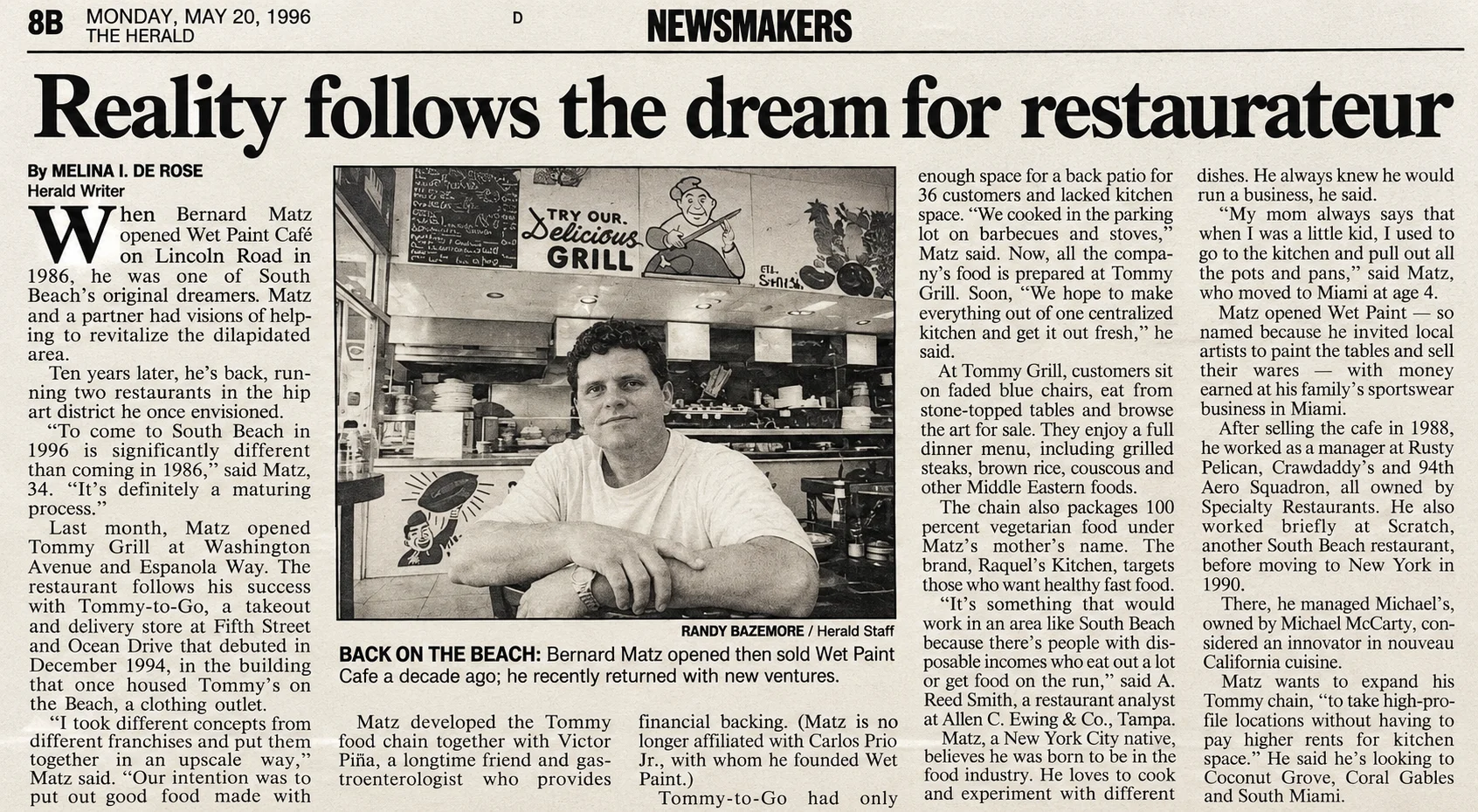
After Wet Paint, Bernie stayed in the middle of South Beach’s rapidly changing restaurant scene. In the late 1980s, he opened Scratch at 427 Jefferson Avenue as Food & Beverage Manager, where he hired chef de cuisine Andrew DiCataldo and the two developed the menu.
In 1990, Bernie moved to New York and became a manager at Michael’s, restaurateur Michael McCarty’s Manhattan restaurant. The move put him inside a different level of restaurant operation and exposed him to the California/New American style of cooking and hospitality McCarty helped popularize.
Bernie met his future wife in New York in 1991. Soon after, he returned to Miami—back to a South Beach that was changing fast, and ready for the next chapter.
Back to South Beach
After returning to Miami, Bernie spent several years in the fashion business before food pulled him back in.
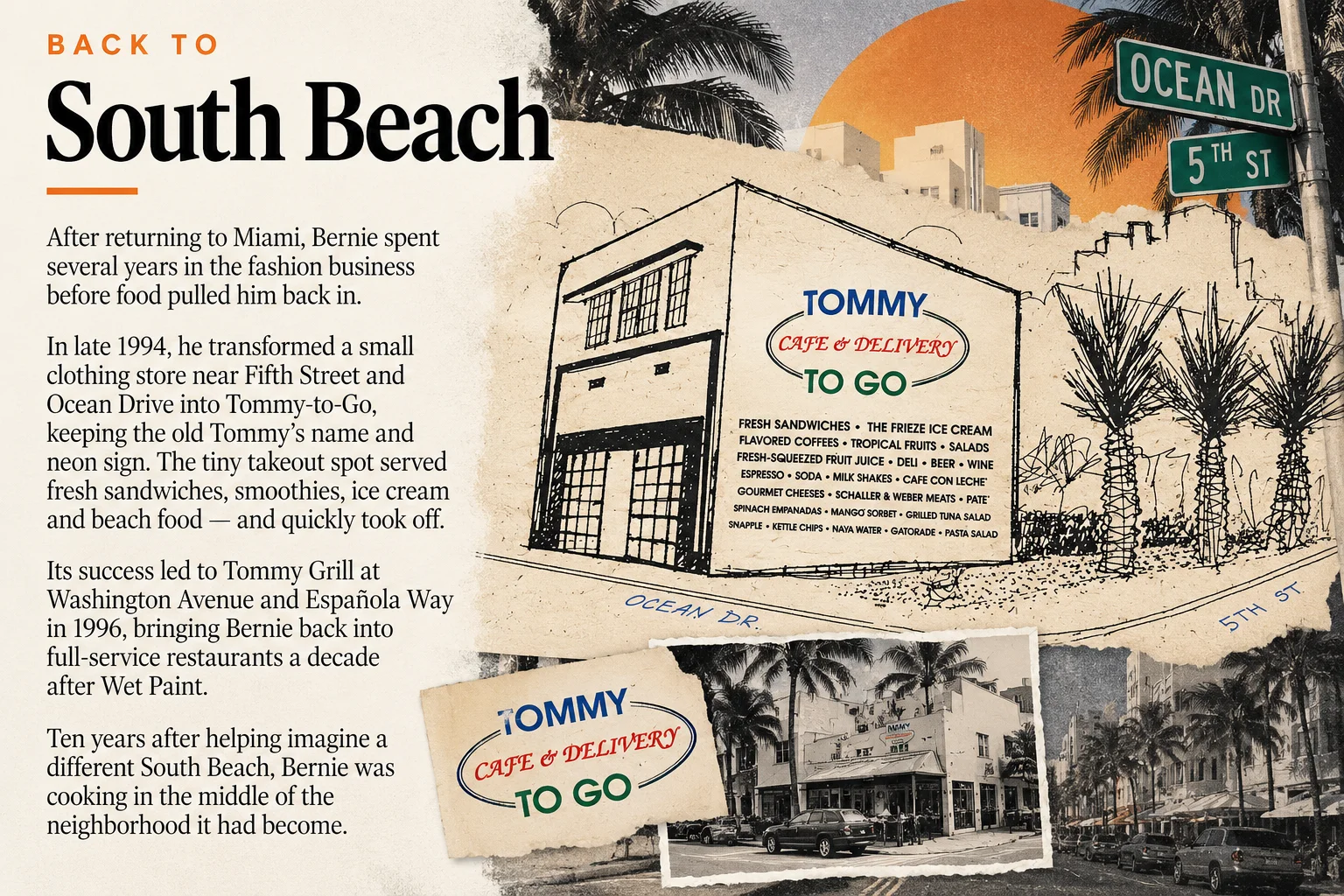
In late 1994, he transformed a small clothing store near Fifth Street and Ocean Drive into Tommy-to-Go, keeping the old Tommy’s name and neon sign. The tiny takeout spot served sandwiches, smoothies, ice cream and beach food—and quickly took off.
Its success led to Tommy Grill at Washington Avenue and Española Way in 1996, bringing Bernie back into full-service restaurants a decade after Wet Paint.
Ten years after helping imagine a different South Beach, Bernie was cooking in the middle of the neighborhood it had become.
From the Kitchen to the Screen
By the late 1990s, Bernie had spent more than a decade building and operating restaurants, but he wanted to deepen the culinary side of his career. He pursued formal culinary training at Johnson & Wales University in Miami, combining professional experience with classroom technique.
A few years later, Bernie began experimenting with another idea: using video to teach people how to cook.
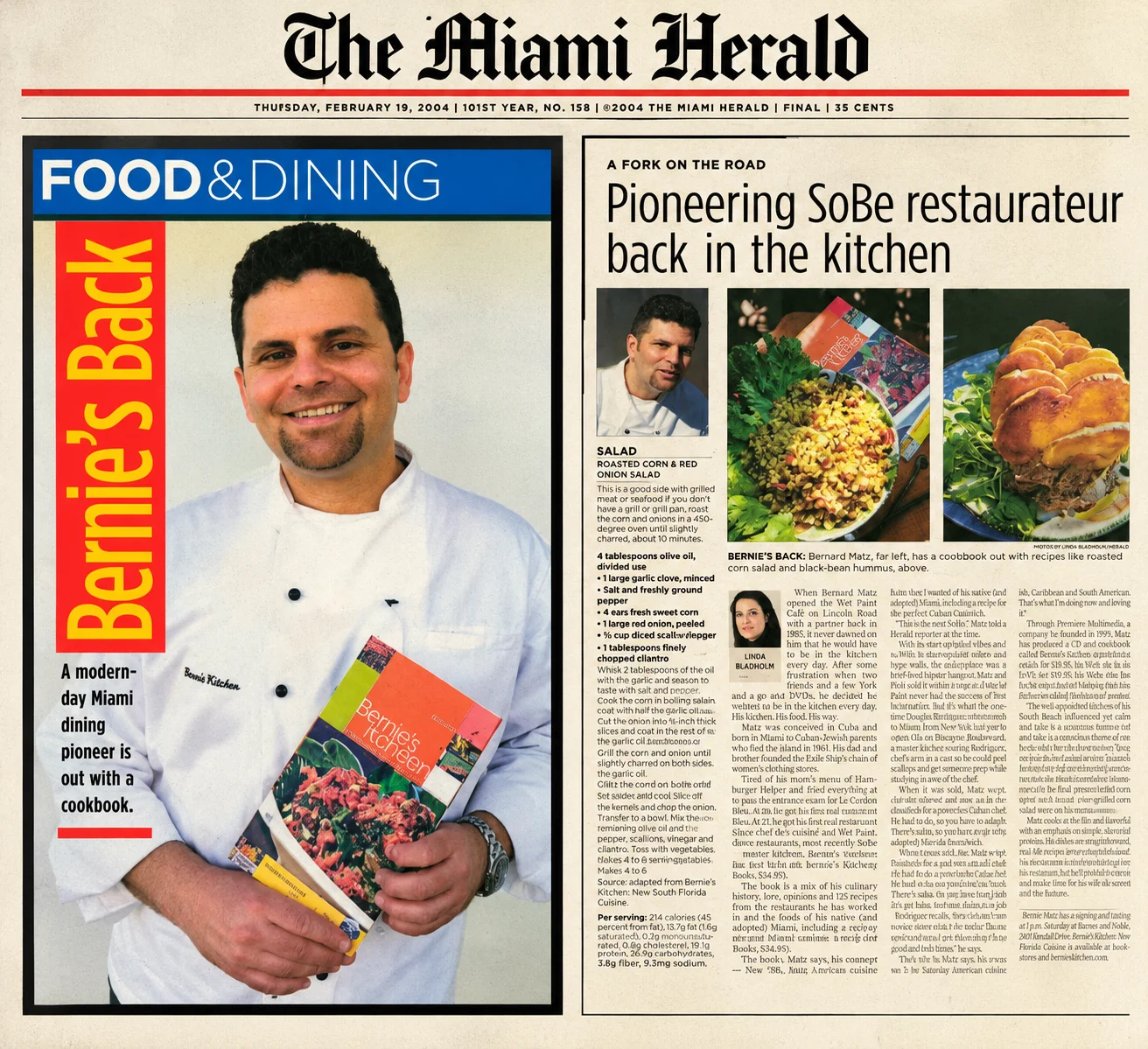
In 2004, he released Bernie’s Kitchen, a cookbook packaged with a CD-ROM of cooking videos—years before online recipe video became commonplace. The Miami Herald put Bernie on the cover of its Food & Dining section under the headline “BERNIE’S BACK.”
The idea was simple: don’t just give people a recipe. Show them how to cook it.
Two decades later, that same idea would become the foundation for THE GOAT CHEF™.
Full Circle on Lincoln Road
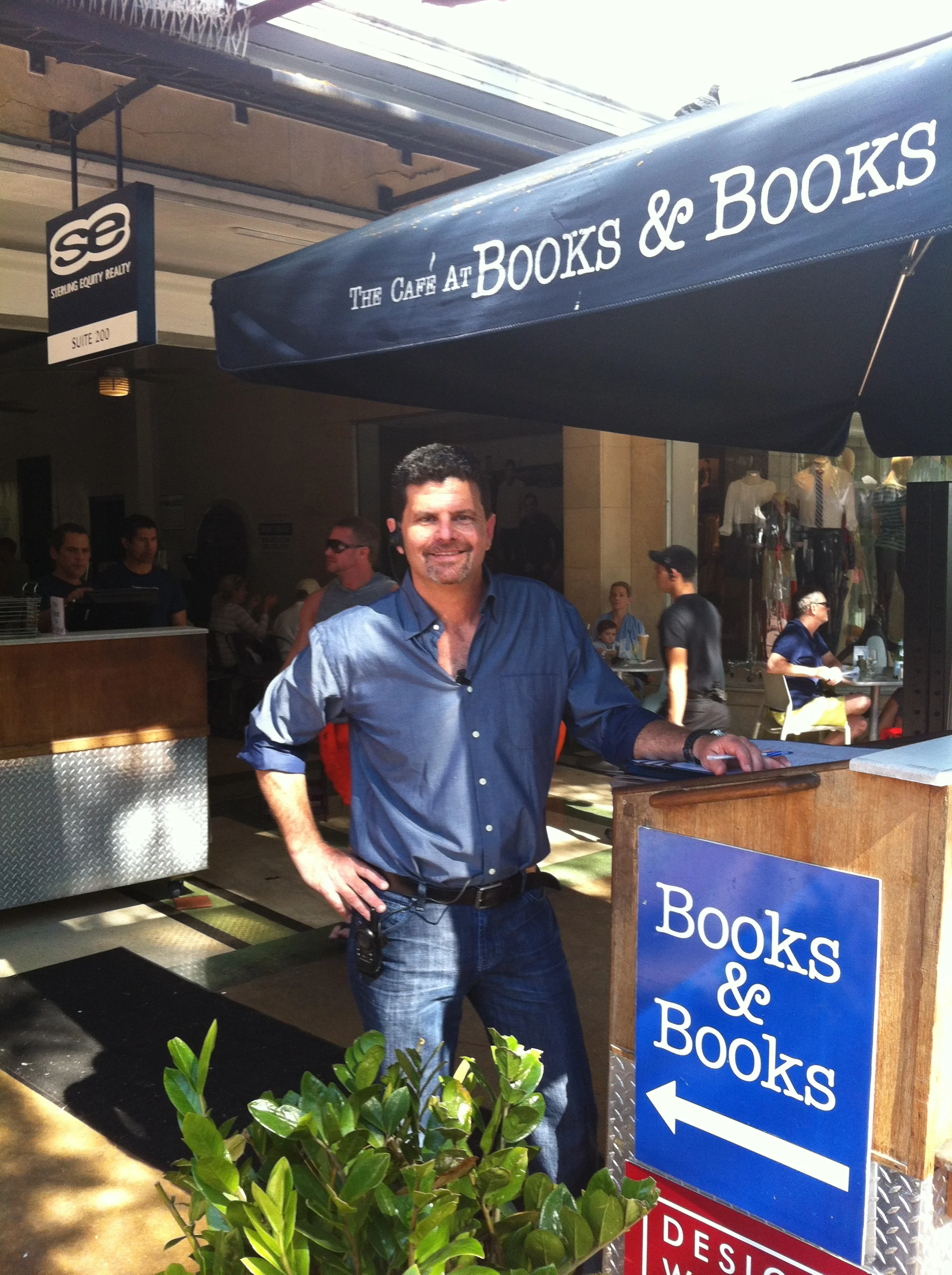
In 2005, Bernie walked into Books & Books to talk with founder Mitchell Kaplan about doing a signing for Bernie’s Kitchen. The conversation turned into something much bigger.
Kaplan asked Bernie to take over the café at Books & Books. In April 2005, Bernie opened the café—literally next door to the former Wet Paint Café, where his restaurant career had begun nearly twenty years earlier.
Bernie ran the Books & Books café for nearly nine years. During that period, he continued creating concepts of his own, including Bernie’s L.A. Café and The Meatball Joint on Miami Beach.
Nearly two decades after Wet Paint helped launch his career on Lincoln Road, Bernie found himself cooking right next door to where it all started.
Bodega, Cuba & Full Circle
In 2014, Bernie joined Menin Hospitality as Culinary Director. His first major project was Bodega Taqueria y Tequila, where he developed the menu and helped build the Mexican street-food concept into one of the company’s biggest successes.
Over the next several years, Bernie worked across a string of Menin concepts. Not every idea worked—and that was part of the education. Bodega was the home run. There were plenty of strikeouts too.
Then, in 2016, the story came full circle.
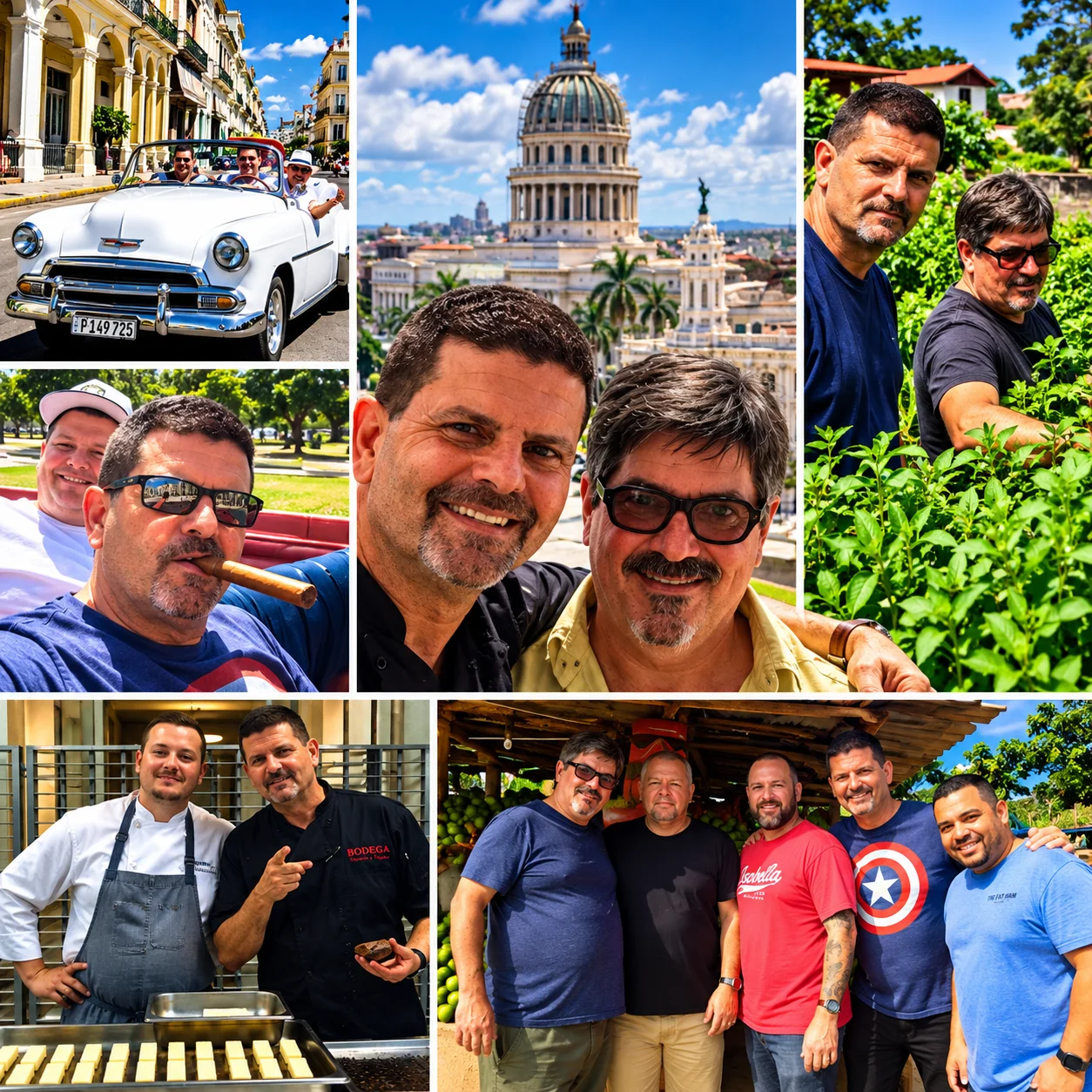
Thirty years after Bernie gave a young Douglas Rodriguez his first opportunity at Wet Paint Café, Douglas invited Bernie to join a group of American chefs for the Havana Culinary Exchange in Cuba.
For a week, the chefs traveled through Havana, cooked, visited farms and markets, and exchanged ideas with Cuban chefs and producers.
Wet Paint, 1986. Havana, 2016. Thirty years of friendship, food and one hell of a journey.
Cafe Bernie — Coming Home
By 2021, after decades of opening restaurants, developing concepts and cooking across South Florida, Bernie was ready to build something closer to home.
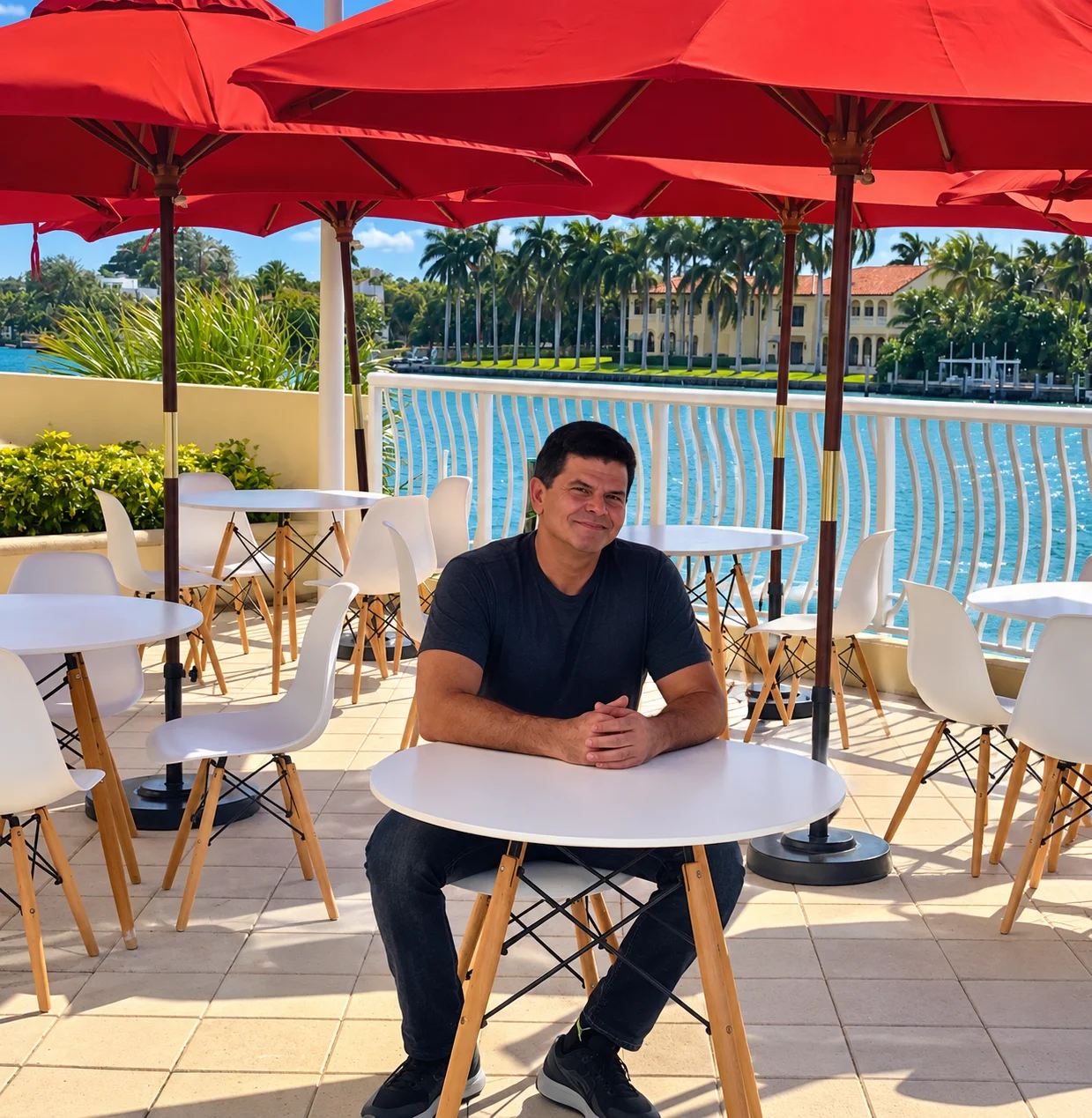
He opened Cafe Bernie at 5600 Collins Avenue in Miami Beach, overlooking the Intracoastal Waterway.
The idea was straightforward: South Florida Bistro Cuisine—the food Bernie wanted to cook, shaped by more than three decades in Miami kitchens.
Cafe Bernie brought the story back to where it began: Miami Beach. This time, the restaurant carried his name.
Forty years after Wet Paint, Bernie is still doing what he started doing in 1986—cooking, creating and building the next thing.
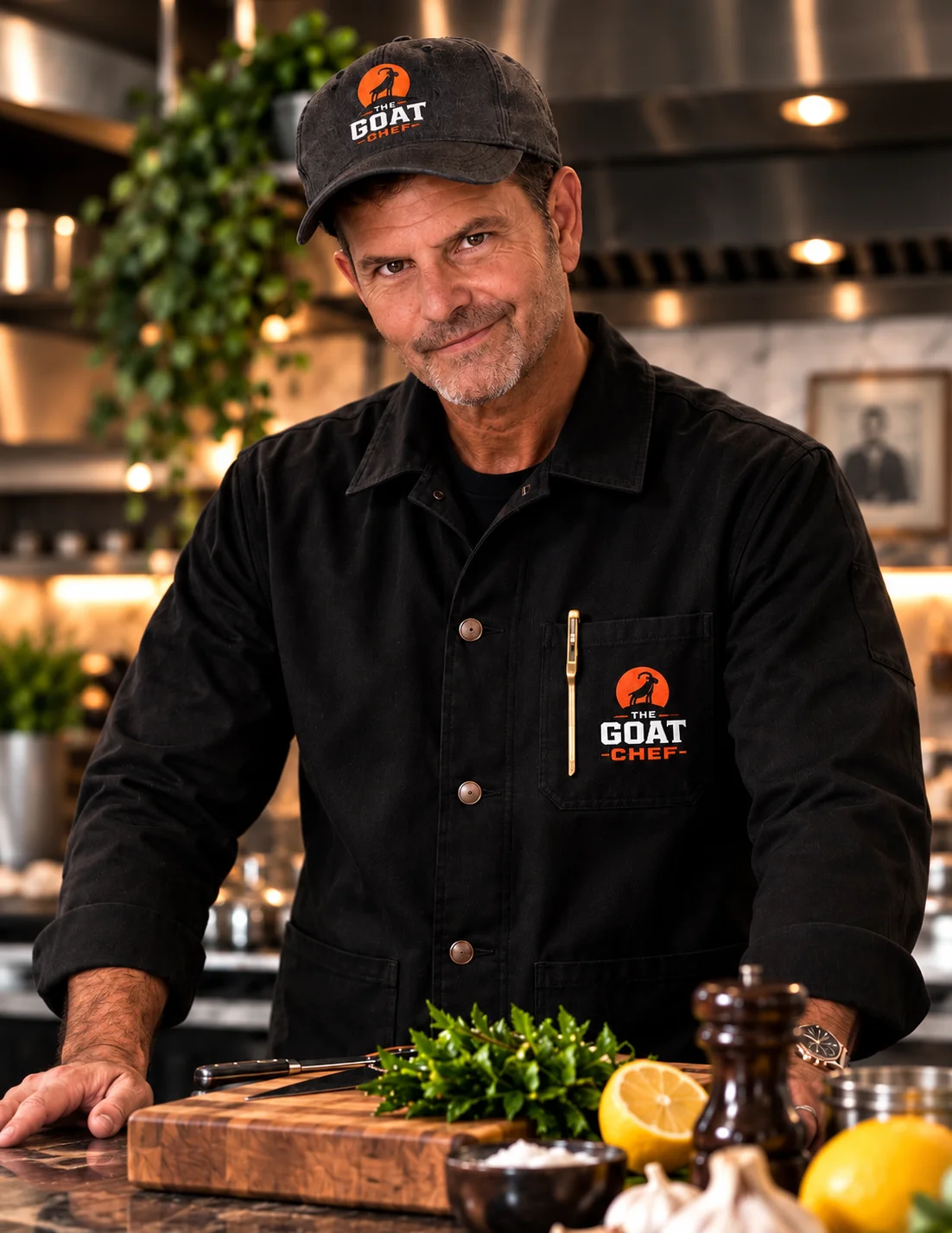
40 Years Later — THE GOAT CHEF™
In 2026, forty years after opening Wet Paint Café, Bernie started a different kind of project.
THE GOAT CHEF™ takes four decades of restaurant kitchens, recipes, techniques, opinions, successes and mistakes and brings them to the home cook.
It’s the evolution of an idea Bernie started with Bernie’s Kitchen more than twenty years earlier: a recipe is only the beginning. Show people the technique. Explain why it works. Give them the tools to make restaurant-quality food at home.
From Wet Paint to Cafe Bernie, the restaurants have changed. The mission hasn’t.
Make great food. Show people how.


